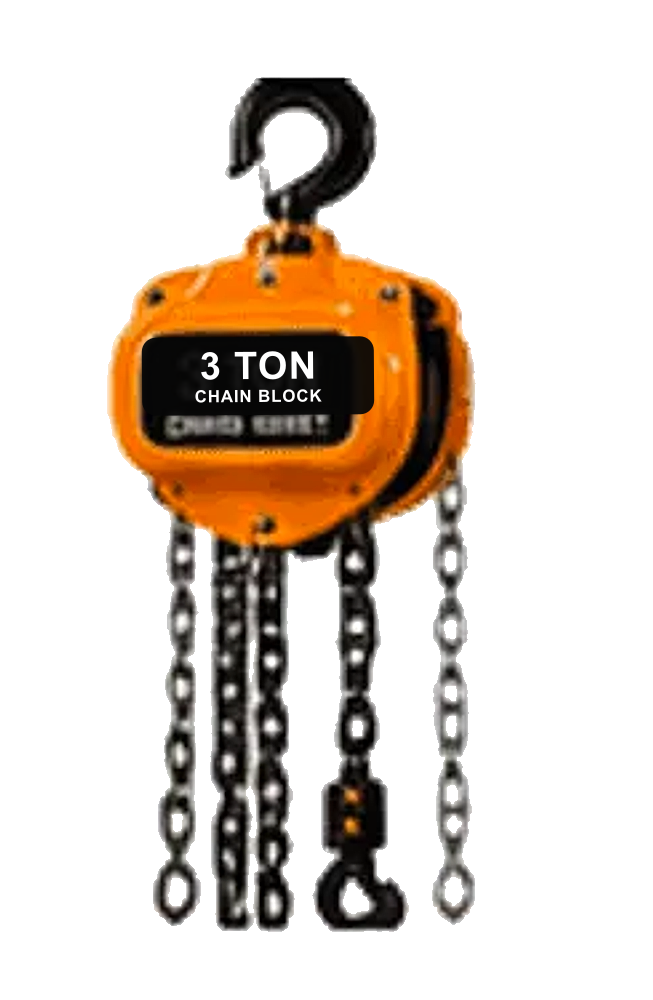
1. कुल उठाए जाने वाले भार की गणना करें
Item, sling, jig, packaging और hook के नीचे सभी accessories का वजन जोड़ें। Unknown weight को पहले verify करें।
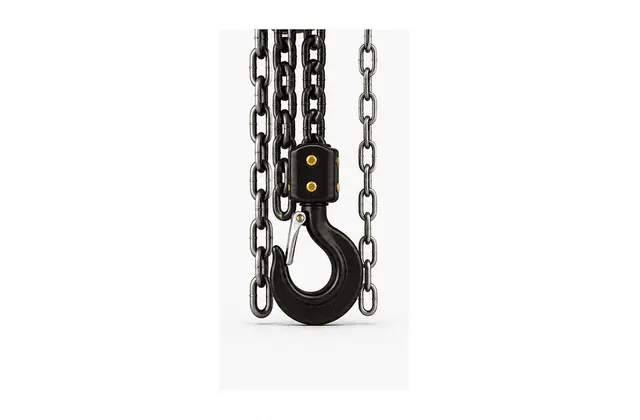
2. कुल से ऊपर capacity चुनें
Rated capacity और WLL working limits हैं। 2T hoist से 2.1T total load नहीं उठाना चाहिए।

3. Frequency और conditions से adjust करें
Variable loads, repeated cycles, long lift, dust, humidity, outdoor या limit के पास काम में higher capacity चाहिए।

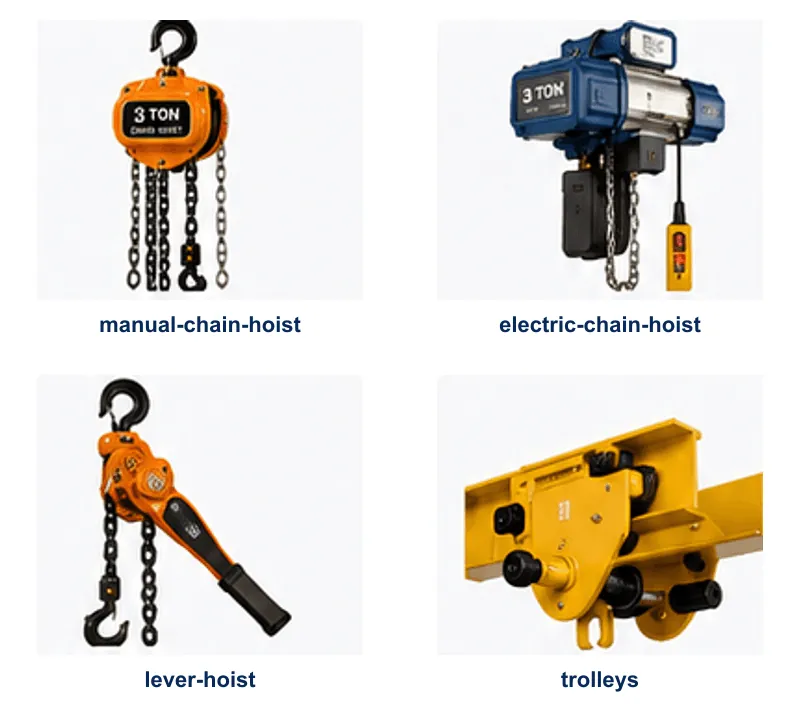
4. Hoist type को project से match करें
Manual occasional use के लिए, electric repeated cycle के लिए, lever pulling और positioning के लिए, trolley beam movement के लिए।
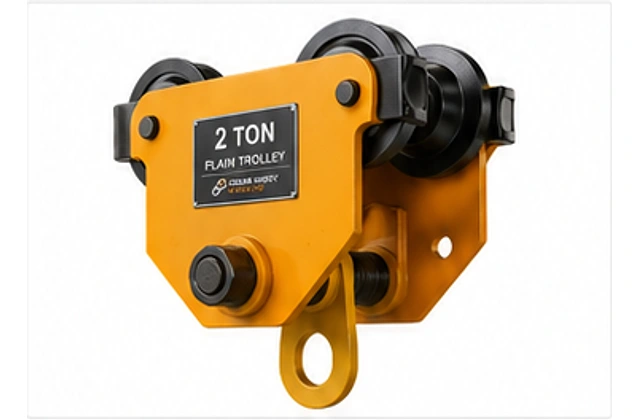
5. पूरी जानकारी भेजें
Load, height, beam width, frequency, voltage, environment, quantity, market और nameplate/packaging requirements भेजें।
Project capacity matrix
यह initial reference है; final selection load, rigging, structure और local rules पर निर्भर करता है।
| प्रोजेक्ट भार | अनुशंसित क्षमता | प्रोजेक्ट नोट |
|---|---|---|
| 450 kg तक | 0.5T | Light parts और controlled maintenance |
| 451-900 kg | 1T | Warehouse, repair, light installation |
| 901-1,800 kg | 2T | Motor, mold, steel parts |
| 1,801-2,700 kg | 3T | Variable load या 2T के पास frequent work |
| 2,701-4,500 kg | 5T | Heavy manufacturing और large equipment |
| 4,500 kg से अधिक | Engineering review | Hoist, trolley, beam, rigging और plan confirm करें |
Project checklist
Load, jig और accessories जोड़ें।
Uncertainty हो तो बढ़ाएं।
Frequency, height और operator effort के अनुसार।
Beam, voltage, dust और humidity जांचें।
FAQ: project capacity
कैसे चुनूं?
कुल भार calculate करें, higher standard capacity चुनें और risk हो तो बढ़ाएं।
1.5 ton के लिए?
Total 2T से कम हो तो सामान्यतः 2T; repeated या variable load हो तो 3T सोचें।
Fixed margin है?
हर project के लिए एक universal percentage नहीं है।
दो छोटे hoist?
सिर्फ qualified lifting plan के साथ।
Recommendation चाहिए?
Load, height, cycle, beam, environment और quantity भेजें। हम configuration recommend करेंगे।