1. Start with a Clear Import Specification
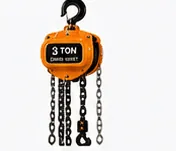
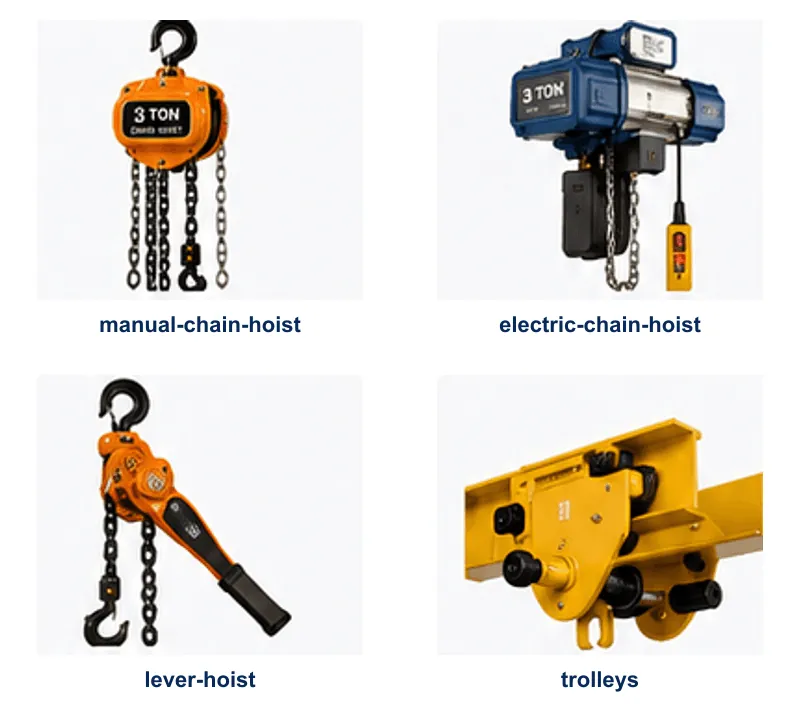
Before asking for a final price, prepare a simple specification sheet. Include chain hoist type, capacity, lifting height, chain length, hook style, trolley requirement, voltage for electric models, working environment and order quantity. Clear details help the factory quote the right model instead of guessing from a product photo.
- List manual, electric and lever hoist quantities separately.
- Confirm lifting height and chain length for each capacity.
- State destination country and required certificates early.
2. Confirm OEM Details Before Production
OEM work should be confirmed before production starts. Typical items include product color, logo position, nameplate language, user manual language, carton artwork, barcode, warning label and spare parts list. For distributors, a stable OEM package makes repeat orders easier and protects local brand consistency.
- Approve nameplate and carton artwork in writing.
- Keep a reference sample or signed drawing for repeat orders.
- Check whether MOQ changes for custom colors or private label packaging.
3. Choose Export Packaging That Fits the Market
Packaging should protect the hoist during sea freight, inland trucking and warehouse handling. Manual chain hoists are often packed in strong cartons or wooden cases depending on size and market preference. For heavier hoists, palletizing can reduce carton damage and make unloading easier.
- Use strong cartons for small manual hoists.
- Use pallet or wooden case options for heavy models and mixed container loads.
- Confirm carton marks, gross weight, net weight and dimensions before shipment.
4. Prepare Shipping Terms and Documents
Most buyers use FOB, CIF, DAP or EXW. FOB is common when the buyer has a freight forwarder; CIF lets the factory arrange ocean freight to the destination port; DAP can simplify delivery for smaller importers. Required documents usually include commercial invoice, packing list, bill of lading and certificate documents requested by the destination market.
- Confirm HS code and destination port before booking.
- Check consignee, notify party and shipping marks carefully.
- Request draft documents for review before final release.
5. Inspect Before Shipment and Plan the Next Order
Pre-shipment inspection can include quantity check, nameplate check, packaging check, random function check, load test records and photo confirmation. After the first order arrives, record local customer feedback on capacity mix, packaging condition and selling speed so the next order can be more accurate.
- Ask for production photos and packed cargo photos.
- Check spare parts, manuals and labels before container loading.
- Use first-order feedback to improve the next OEM order.

Chain Hoist Import Checklist
Use this table to organize the main decisions before placing an OEM or distributor order from China.
| Import Step | What to Confirm | Why It Matters |
|---|---|---|
| Product specification | Capacity, lift height, type, voltage | Prevents quoting the wrong model or missing accessories |
| OEM branding | Color, logo, nameplate, manual, carton | Keeps local brand presentation consistent |
| Packaging | Carton, pallet, wooden case, marks | Reduces damage during sea freight and warehouse handling |
| Documents | Invoice, packing list, BL, certificates | Supports customs clearance and customer compliance |
| Shipping terms | FOB, CIF, DAP or EXW | Clarifies freight cost, responsibility and delivery control |
Import Decision Points
Check product range, OEM experience, testing and export communication.
Approve labels, manuals and carton artwork before production.
Choose trade terms based on your forwarder and import experience.
Keep drawings, artwork and packing rules for faster reorders.
FAQ: Importing Chain Hoists from China
Can I order chain hoists with my own brand?
Yes. OEM orders can include custom logo, color, nameplate, manual, warning label and carton artwork, depending on quantity and product type.
Which shipping term is best for first-time importers?
FOB is common if you already work with a freight forwarder. CIF or DAP may be easier if you want the supplier to help arrange more of the shipment.
What should I check before shipment?
Confirm quantity, capacity mix, nameplates, carton marks, packing list, product photos, load test records and document drafts.
Can one order mix manual, electric and lever hoists?
Yes. Mixed product orders are common for distributors. The factory should confirm packing dimensions, weights and loading plan before shipment.
Planning a chain hoist import order?
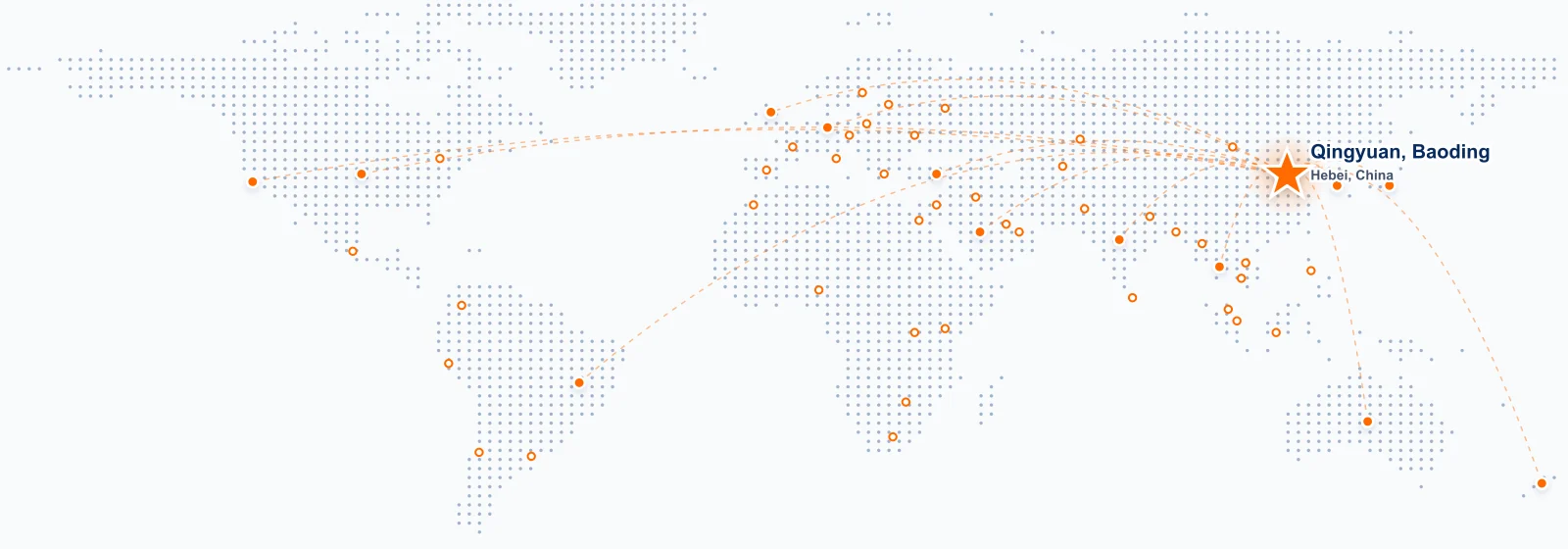
Send us your capacity mix, OEM requirements, destination port and target quantity. Our export team in Qingyuan, Baoding, Hebei can help prepare a practical quotation and shipping plan.