1. The Short Answer: Before Use, Periodically, and Annually

There is no single service interval that fits every hoist. A hoist used once a month in a clean maintenance room does not need the same schedule as a hoist working every day on a production line. A sensible program has three layers: a pre-use operator check, a documented frequent inspection, and a deeper periodic service by a qualified person.

Common hoist safety frameworks, including ASME B30.16 for overhead and stationary hoists, distinguish between frequent inspection and periodic inspection. Use the manufacturer manual and your local safety rules as the final authority, then make the schedule stricter when the hoist works harder.

  • Pre-use check: every shift or every time the hoist is used.
  • Frequent inspection: daily, weekly or monthly depending on service severity.
  • Periodic service: monthly, quarterly or annually depending on service severity.
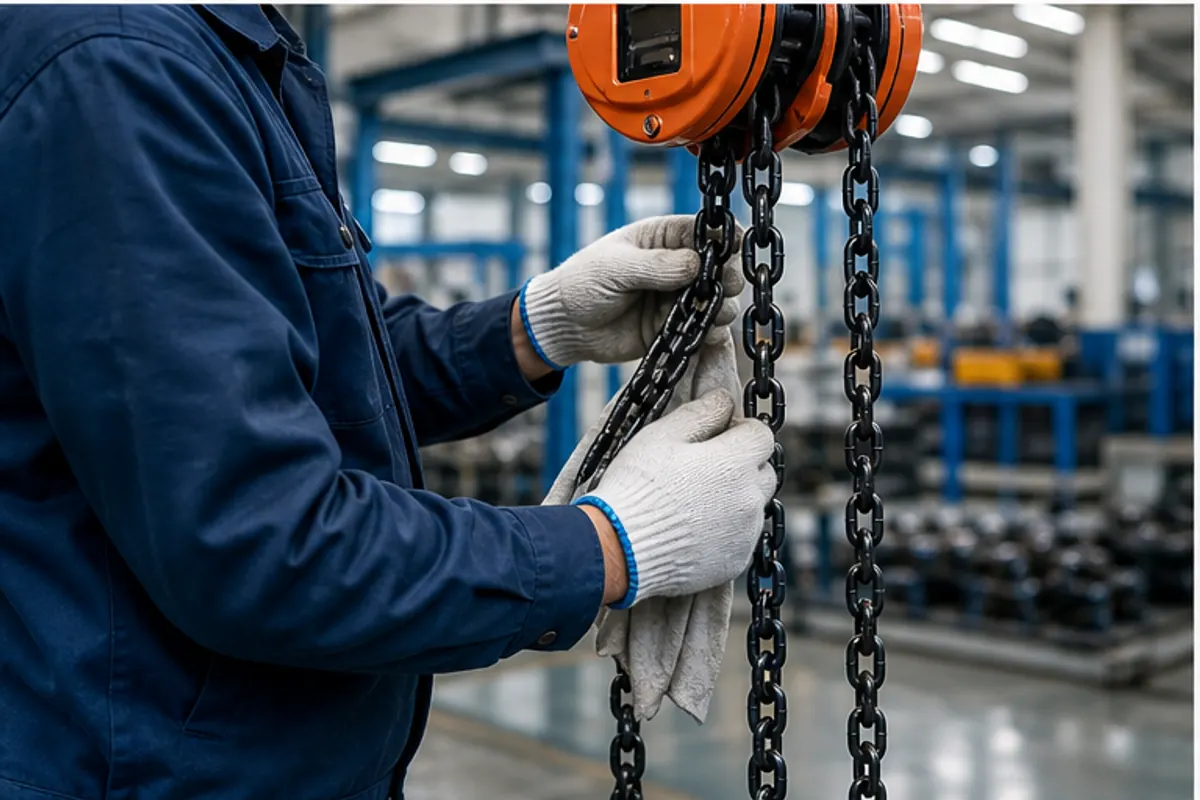
Technician performing a pre-use chain hoist inspection in a workshop

2. What Counts as Hoist Service?

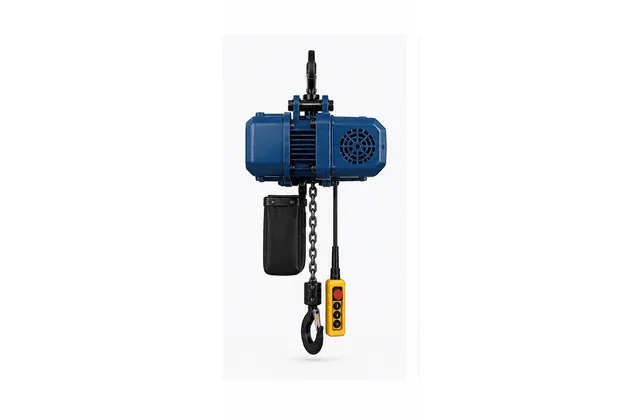
Servicing a hoist is more than wiping the outside cover. A useful service routine checks the complete lifting path: suspension point, top hook, load chain or wire rope, chain wheel, gears, brake, lower hook, safety latch, controls, limit devices, labels and records. For electric chain hoists, the technician should also check the pendant, contactors, power cable, limit switch and motor condition.

A service can be simple or deep. A simple pre-use service is a visual check and light functional test. A periodic service may include cleaning, lubrication, measuring chain wear, checking brake parts, replacing worn latches, testing operation under load and updating the inspection record.

  • Inspection finds visible damage and abnormal operation.
  • Maintenance cleans, lubricates, adjusts and replaces wear parts.
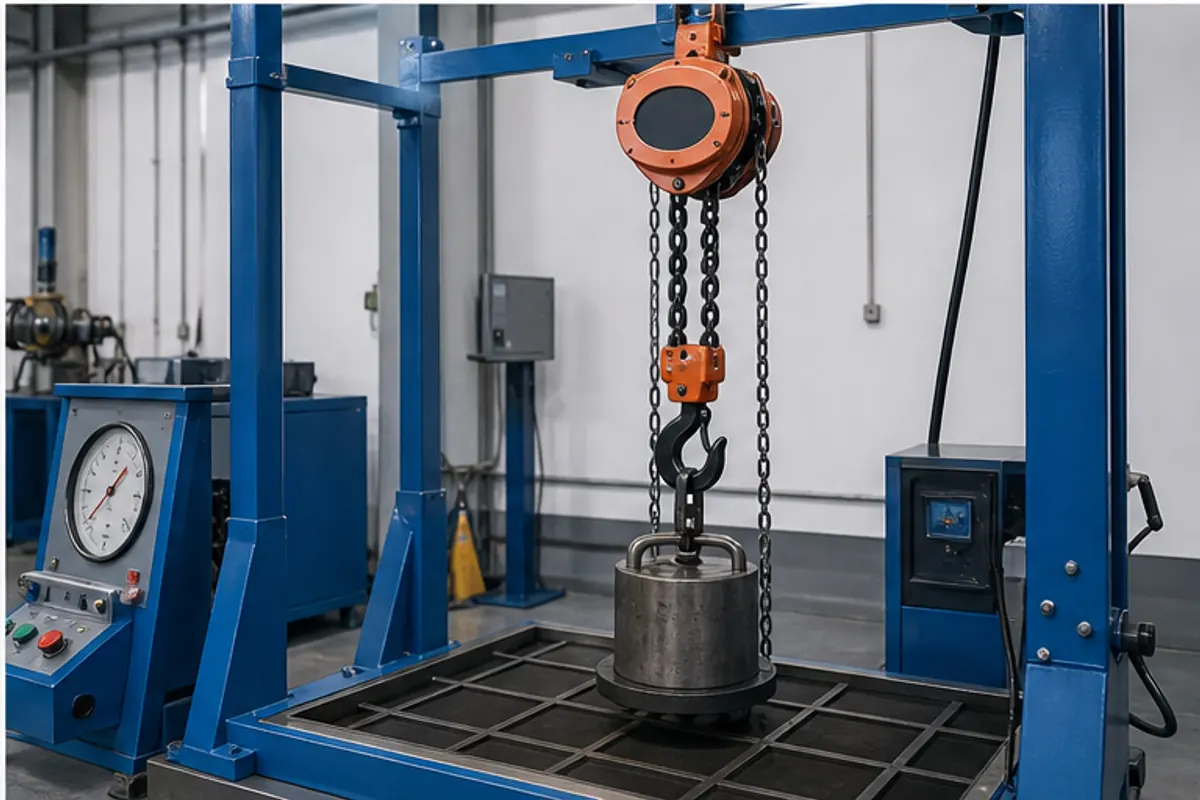
  • Testing confirms the hoist holds, lifts and lowers correctly.
Close-up of hoist load chain links checked during service

3. Pre-Use Check: Every Shift or Every Lift

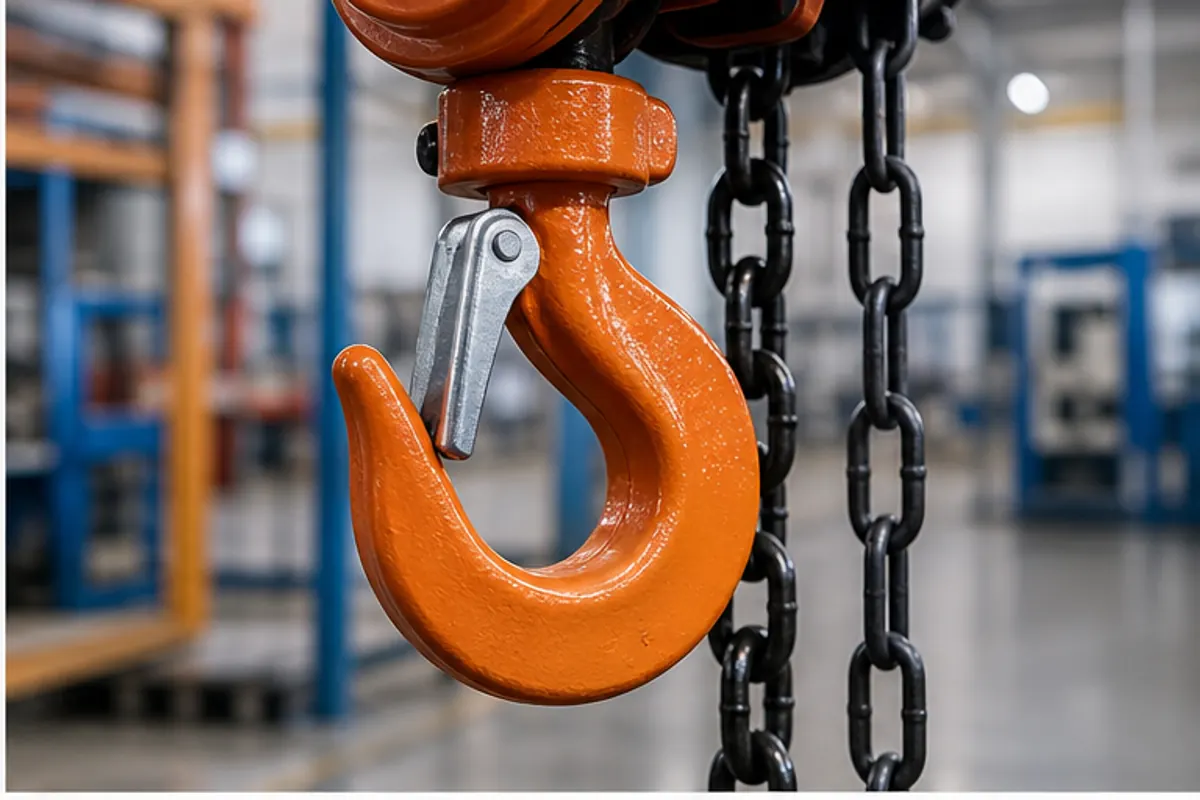
Before a load is lifted, the operator should spend a few minutes checking the hoist. Look for missing nameplates, unreadable rated capacity, damaged hooks, broken safety latches, twisted chain, corrosion, loose fasteners, oil on the brake area, abnormal chain movement or any sign that the hoist was overloaded.

Then run the hoist through a short no-load or light-load test. Lift slightly, stop, confirm the brake holds, and lower smoothly. If the load creeps down, the hand chain jumps, the motor sounds abnormal or the hook does not rotate freely, remove the hoist from service.

  • Check hooks, latches, chain, housing, labels and suspension.
  • Test lifting, holding and lowering before regular work.
  • Never start a lift if the rated capacity is unknown.
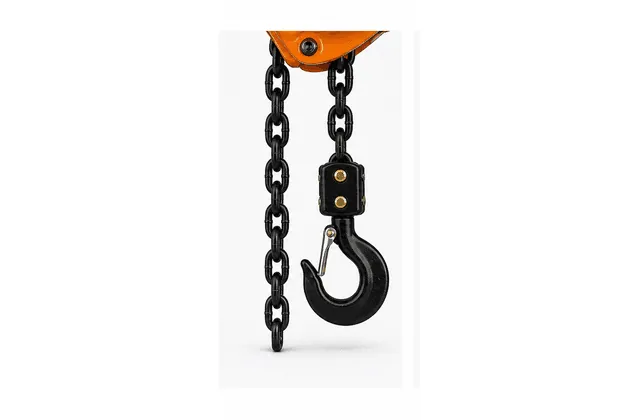
Forged hoist hook and safety latch checked before lifting

4. Normal Service: Weekly Care and Monthly Records

For a hoist used regularly in a clean indoor workshop, weekly care is usually enough for cleaning and lubrication. Wipe dust from the body, remove chips or dirt from the load chain, apply a thin layer of suitable chain lubricant, and confirm the brake area stays clean and dry.

A monthly documented inspection is good practice for many factories. Record the hoist ID, location, rated capacity, inspector, date, condition and any corrective action. Documentation is important because it helps maintenance teams notice repeated problems before they become failures.

  • Clean the chain before lubrication.
  • Lubricate lightly; excessive oil attracts dust and grit.
  • Keep a written or digital inspection record for each hoist.
Chain hoist on a test bench for brake and operation verification

5. Heavy or Severe Service: Shorten the Interval

Hoists in harsh environments need more frequent service. Dust, humidity, outdoor rain, chemicals, metal chips, high temperature, frequent starts, long lifts, near-capacity loads and shift work all increase wear. In these conditions, monthly service may not be enough.

A severe-duty hoist may need daily frequent inspection, weekly lubrication checks and monthly or quarterly periodic service. If the hoist is mission-critical, keep a spare unit available so maintenance does not get skipped because production is busy.

  • Increase frequency for outdoor, dusty, humid or corrosive sites.
  • Increase frequency when loads are close to rated capacity.
  • Increase frequency for production lines and repeated lifts.
Electric chain hoist pendant and controls checked during service

6. Annual Service: What a Qualified Person Should Check

At least once a year for typical service, arrange a thorough inspection by qualified personnel. This is the time to measure wear, inspect internal parts where required, review records, replace damaged components and confirm the hoist is still suitable for its actual application.

Annual service commonly includes load chain measurement, hook throat opening measurement, brake inspection, gear and bearing checks, safety latch replacement if needed, electrical control inspection for electric hoists, and a functional test. A proof load test may be required after major repair or by local rules, but it should be performed only according to the manufacturer procedure.

  • Measure chain wear and hook opening against allowed limits.
  • Inspect brake, gears, bearings, fasteners and suspension parts.
  • Review records and decide whether the hoist should stay in service.
Manual chain hoist load chain measured during annual service

7. Service Immediately After Abnormal Events

Do not wait for the next planned service if something unusual happens. A hoist should be inspected immediately after overload, shock loading, side pulling, dropped load, collision, flood exposure, fire exposure, chemical contamination or long idle storage. A hoist that has been idle for months should be checked before it returns to work.

The same rule applies when operators notice symptoms: brake slip, drifting load, chain jamming, rough hand chain movement, abnormal motor noise, damaged pendant cable, missing latch, bent hook or visible cracks. Continuing to use the hoist can turn a repairable issue into a serious safety hazard.

  • Tag the hoist out and stop using it until checked.
  • Do not heat, weld or bend damaged hooks back into shape.
  • Use correct replacement parts and follow the manufacturer manual.
Lever hoist hook inspected after abnormal loading

8. Build a Simple Hoist Service Program

A good service program is simple enough that operators actually follow it. Give every hoist a unique ID. Keep a checklist near the work area. Train operators to recognize stop-use conditions. Keep inspection records together with repair records, spare parts history and load test documents where required.

For buyers and distributors, serviceability should also affect product selection. Clear nameplates, available spare parts, robust hooks, reliable brakes, smooth load chain and simple documentation make the hoist easier to manage over its full working life.

  • Assign each hoist an ID number and service file.
  • Train operators on pre-use checks and stop-use signs.
  • Choose hoists with available parts and clear technical support.
Worker recording chain hoist service results after inspection

建议起重葫芦保养周期

下表可作为实用起点。若厂家说明书、当地法规或现场安全制度要求更严格周期,应优先执行更严格要求。

保养周期 保养类型 主要检查项目
每次使用前 操作人员外观与功能检查 吊钩、安全扣、链条、铭牌、制动保持、升降顺畅度
每周 常规清洁与润滑 清理污物、清洁链条、薄层润滑、检查明显磨损
每月 有记录的频繁检查 记录设备编号、状态、检查人、缺陷和处理措施
每季度 重载或恶劣工况保养 粉尘、潮湿、户外、接近额定载荷或高频起吊
每年 专业人员全面检查 测量磨损、检查制动和齿轮、复核记录、维修或报废
立即 异常事件后检查 超载、冲击载荷、制动打滑、异响、损坏或长期闲置

如何决定保养周期

轻度使用 使用前 + 年度

偶尔在干净室内起吊,应保持使用前检查,并安排年度专业检查。

正常使用 每周 + 每月

常规车间使用,建议每周清洁润滑,并每月记录检查结果。

重载使用 每周 + 每季度

频繁起吊或接近额定载荷时,应缩短保养周期并准备备件。

恶劣工况 每日 + 每月

粉尘、潮湿、腐蚀或关键生产场景,应每日检查并按月或季度保养。

FAQ:起重葫芦保养频率

一年保养一次够吗?

对于典型工况,年度保养常作为基本要求,但并不适合所有现场。频繁使用、恶劣环境、接近额定载荷或异常事件后,都应缩短保养周期。

谁可以保养环链葫芦?

经过培训的操作人员可以做使用前检查。深度保养、维修、制动处理、电气检查和载荷测试应由合格人员按厂家说明执行。

手拉葫芦比电动葫芦保养少吗?

手拉葫芦没有电气系统,但仍需检查链条、吊钩、制动和齿轮。电动葫芦还要检查手柄、电缆、电机、接触器和限位开关。

长期没用的葫芦还需要保养吗?

需要。闲置也可能产生锈蚀、润滑老化、积尘或隐藏损伤,重新使用前应检查。

需要保留哪些记录?

建议保留设备编号、额定载荷、位置、日期、检查人、检查结果、缺陷、维修、更换件和现场制度要求的测试记录。

需要更易维护的起重葫芦?

发送额定载荷、提升高度、工作频率、使用环境和采购数量,我们可以为经销商和 OEM 买家推荐更适合维护管理的手拉、电动或手扳葫芦。

获取报价 查看手拉葫芦